
 Livewell Dorset Home page link
0800 840 1628 • Monday - Friday 9am - 6:30pm Contact Us
.png)
Caring for someone you love can be one of the most meaningful things you’ll ever do, but it can also be exhausting, emotional, and at times, incredibly isolating. Many of us don’t even realise how much we’re carrying until we notice that our own wellbeing has quietly slipped to the bottom of the list.
I know this feeling personally. I’m in a stage of life where I’m raising a three-year-old while also caring for my mum, who’s in her late seventies and living with rare, progressive genetic brain disorder. It’s a kind of in?between place, being needed in two directions at once. Some days I feel like I’m holding two worlds together with both hands and trying not to drop anything that matters.
Mum’s condition affects her movement, coordination, thinking ability, and behaviour. It can involve involuntary movements, emotional or cognitive changes, and a gradual decline in neurological function. Learning about the condition wasn’t just a medical moment, it was an emotional one. It reframed what my mum was experiencing and helped me understand why caring for her requires so much patience.
Balancing her needs with the needs of a small child often feels overwhelming. There are days when I move straight from dealing with toddler emotions to trying to soothe the challenges of a neurodegenerative condition and it can feel like there’s very little room left for me in the middle (alongside working, running a private practice and studying eeek!). That’s what people mean when they talk about the “sandwich generation”: those of us who are caring for children and ageing parents at the same time, often while balancing work, relationships, and everything else life throws at us. It’s a lot. And it’s not always easy to talk about.
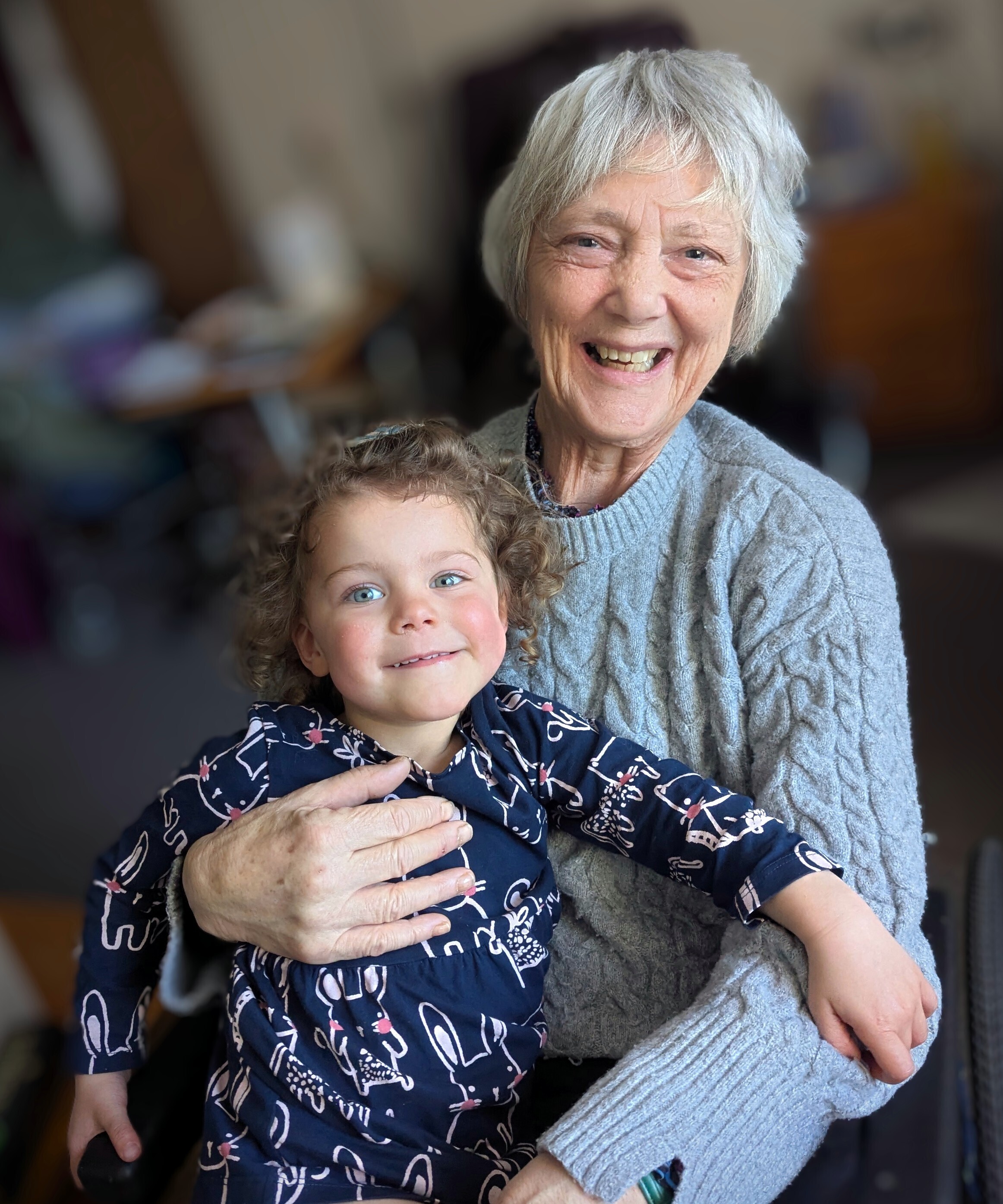
One thing I’ve learned both through my own journey and through this work is that there are far more unpaid carers around us than we realise. Many people don’t even use the word “carer” to describe themselves. They say, “I’m just helping my mum,” or “I’m looking after my partner,” or “I’m only doing what anyone would do.” But behind those everyday words are people quietly carrying extraordinary responsibilities. So many carers are hidden in plain sight, doing vital, complex, emotional work without ever being recognised as carers at all.
LiveWell Dorset can support carers by offering free personalised coaching and practical guidance to help improve their own health and wellbeing, including support with stress management, physical activity, healthy eating, and building sustainable healthy habits. As a carer, it’s easy to prioritise others, but you can’t pour from an empty cup, looking after your own wellbeing is essential to maintaining the energy and resilience needed to care for others
.png)
If you are an unpaid carer who needs support, Help & Care now deliver the Dorset Carer Service, offering:
Your search has returned 105 more results
View all results