
 Livewell Dorset Home page link
0800 840 1628 • Monday - Friday 9am - 6:30pm Contact Us
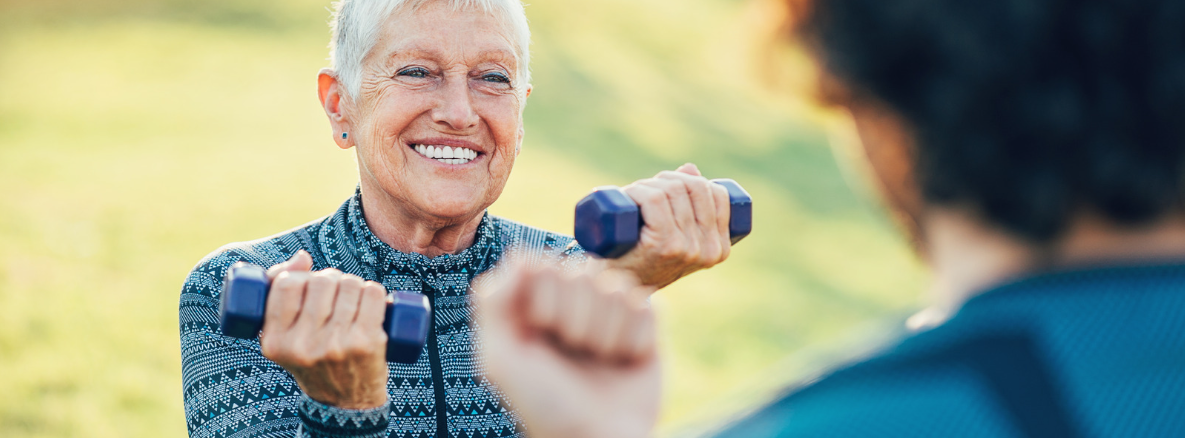
We often spend time planning for the future, whether that's saving money, developing our careers, or preparing for retirement. But one of the best ways to future-proof yourself is by investing in your health today.
Our LiveWell coach Dan, explains how healthy ageing isn't just about adding years to your life. It's about having the strength to get out of a chair without assistance, the stamina to enjoy days out with family and friends, and the independence to keep doing the things you love. By staying active, eating well, getting enough sleep, managing stress, and maintaining social connections, you can help protect your health and enjoy a more fulfilling life as you age.
You can maintain your health as you get older by acting today, so that you benefit tomorrow.
For example:
• Do squats today and maintain the ability to stand up from a chair independently.
• Go for regular walks today and keep the stamina to enjoy holidays and days out.
• Build social connections today and maintain emotional wellbeing and support in later life.
• Eat enough protein today and preserve muscle strength and mobility as you age.
Prioritise yourself. Between work, family and other responsibilities, exercise is often the first thing to drop off the list when you’re busy. However, looking after your own health isn't a luxury; it's a necessity.
The good news is that staying active doesn't have to mean spending hours in the gym. Small changes can make a big difference. Try parking a little further away, taking the stairs instead of the lift, or fitting in a few minutes of movement while the kettle boils or during ad breaks. These simple habits can help make physical activity a natural part of everyday life.
Being active with others can also make exercise more enjoyable and sustainable. Whether it's joining a walking group, attending a fitness class, or simply meeting a friend for a regular walk, adding a social element can help keep you motivated and make movement something you genuinely look forward to.
As we age, it's particularly important to include activities that improve strength and balance. Building and maintaining these physical foundations can help preserve independence, reduce fall risk, and lower the likelihood of developing long-term health conditions. The earlier you start, the greater the benefits you can enjoy in later life.
As we get older, the food we eat plays an increasingly important role in supporting our health, energy levels and independence. While healthy eating matters at every stage of life, adults over 65 may need to pay particular attention to nutrients such as protein, calcium, folate, and vitamin B12, which help support muscle strength, bone health, and overall wellbeing. A balanced diet is all about variety. Aim to include plenty of fruit and vegetables, starchy carbohydrates, fibre-rich foods, healthy fats, protein sources, and dairy or dairy alternatives. No single food contains everything the body needs, so eating a wide range of foods helps ensure you're getting the nutrients required to stay healthy.
Staying hydrated is just as important as choosing the right foods. As we age, our sense of thirst can decrease, making it easier to become dehydrated without realising it. As a general guide, women should aim to drink around 1.6 litres of fluid each day, while men should aim for around 2 litres.
It's also worth being mindful of foods that can negatively impact health when consumed in excess. Foods and drinks high in added sugar often provide lots of calories but few nutrients, while too much salt can increase the risk of high blood pressure and related health problems. Making small, sustainable changes to reduce sugar and salt can have a big impact over time.
Smoking affects almost every organ in the body. It increases blood pressure and heart rate, reduces circulation, and places extra strain on the heart and lungs. It has also been linked to a range of long-term health conditions, including heart disease, chronic obstructive pulmonary disease (COPD), diabetes, dementia and certain types of cancer.
The benefits of quitting begin almost immediately. Many people notice that they breathe more easily, have more energy and feel healthier overall. Quitting smoking can also improve recovery following illness, infection or surgery, helping you maintain your independence and quality of life.
Alcohol is not an essential part of a healthy diet, and drinking more than the recommended amount can increase the risk of a range of health problems. Current guidance recommends consuming no more than 14 units of alcohol per week, ideally spread across several days rather than drinking large amounts in one sitting.
As we age, our bodies become more sensitive to the effects of alcohol. This can increase the risk of falls and injuries, worsen existing health conditions, affect memory and thinking skills, and interact with medications. Alcohol can also contribute to raised blood pressure, increased blood sugar levels and liver problems when consumed in excess.
If you choose to drink, consider having several alcohol-free days each week and look for opportunities to reduce your intake. Even small reductions can have a positive impact on your health. Cutting back can help keep blood pressure and blood sugar under control, support liver health, improve sleep quality and reduce the likelihood of accidents or injuries.
Want to make a healthy change?We'll look at your health and lifestyle and help you make some changes for a healthier you. Choose from a range of free options and receive expert support from our team of Coaches and Advisors. |
Your search has returned 105 more results
View all results.jpg)